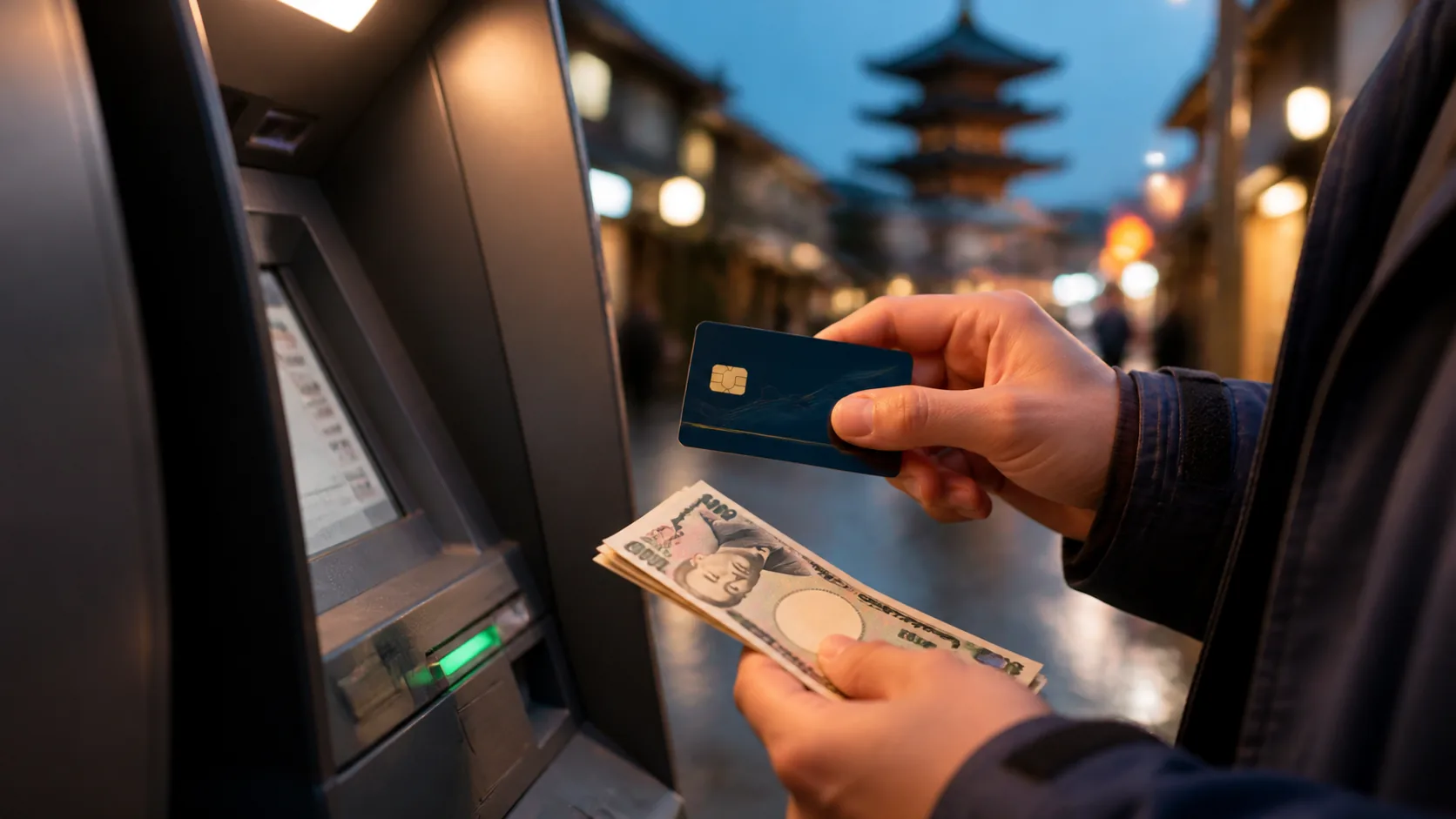


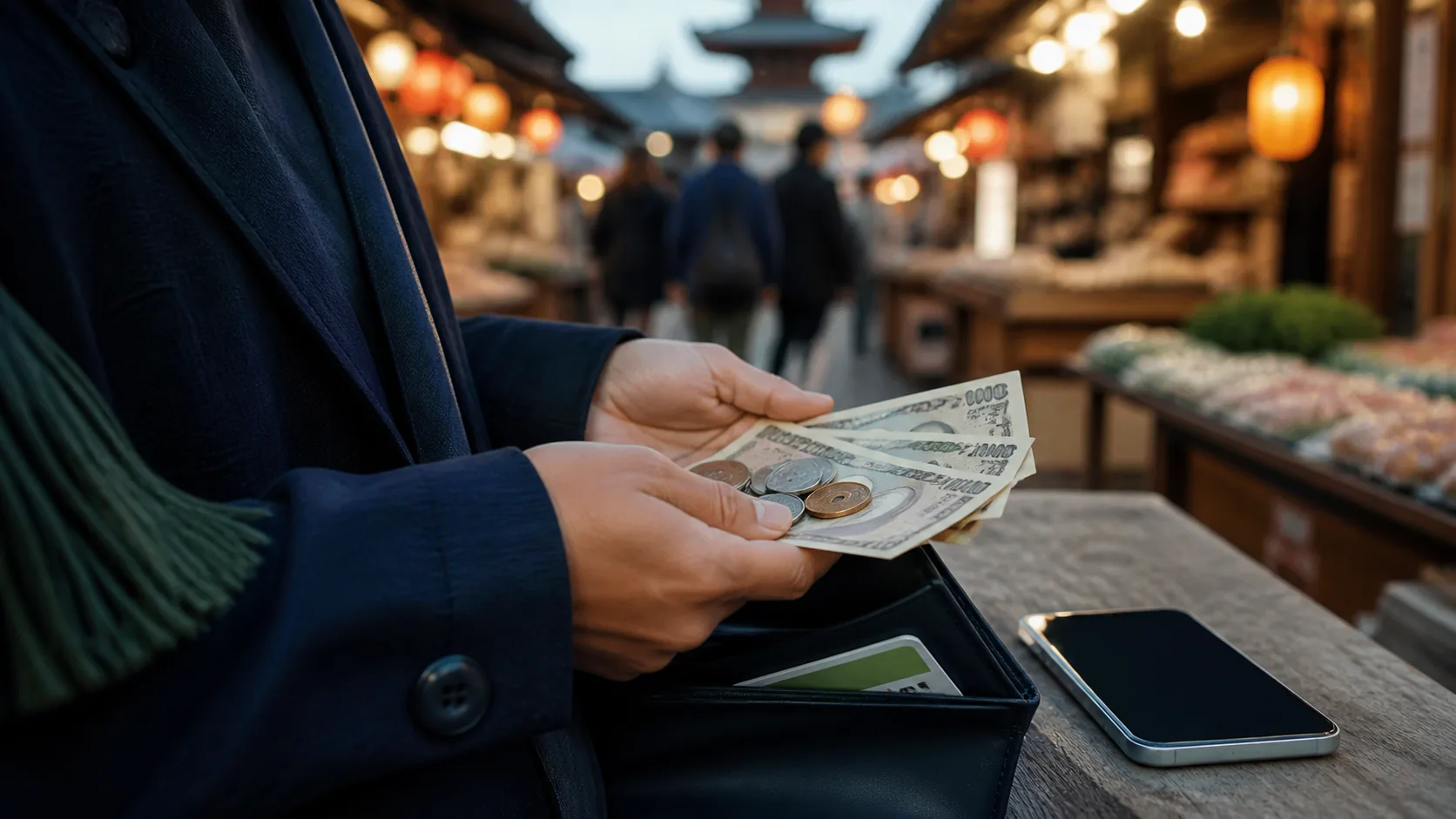

Cards and contactless payments are more common in Japan, but cash is still useful for smaller businesses, local transport and backups.
Cards and contactless payments are more common in Japan, but cash is still useful for smaller businesses, local transport and backups.
For Is Cash Still Needed in Japan?, the best choice depends on your itinerary and how much convenience is worth to you.
- Use a card that does not add foreign-transaction fees where possible.
- Carry a modest yen backup rather than relying on one payment method.
- Check the ATM screen before accepting a conversion or fee.
Travel smarter. Stay connected.
I consent to receive newsletters via email. Terms of Use and Privacy Policy.
The practical comparison
What changes the real cost
The number shown on an ATM or card terminal is only one part of the cost. Your own bank or card issuer can add a fee, and a poor exchange option can be more expensive than a clearly stated machine charge. Make the decision before confirming, not after the cash is dispensed or payment is complete.
Plan before you travel
Take at least two ways to pay: a card for routine purchases and a practical cash backup for places where cards are not convenient. Tell your bank about the trip if it requires travel notices, know your PIN, and keep a second card separately in case one is lost or declined.
Frequently asked questions
Should I decide this before I land?
Yes. Knowing your preferred option before departure removes the pressure to buy the first service offered at an airport or tourist area.
What should I check in the terms?
Check foreign transaction fees, ATM fees, cash-withdrawal limits and the exchange option presented by the terminal.
What is the safest backup?
Carry more than one payment method and a modest amount of yen. Keep them separately so one loss does not end your access to money.