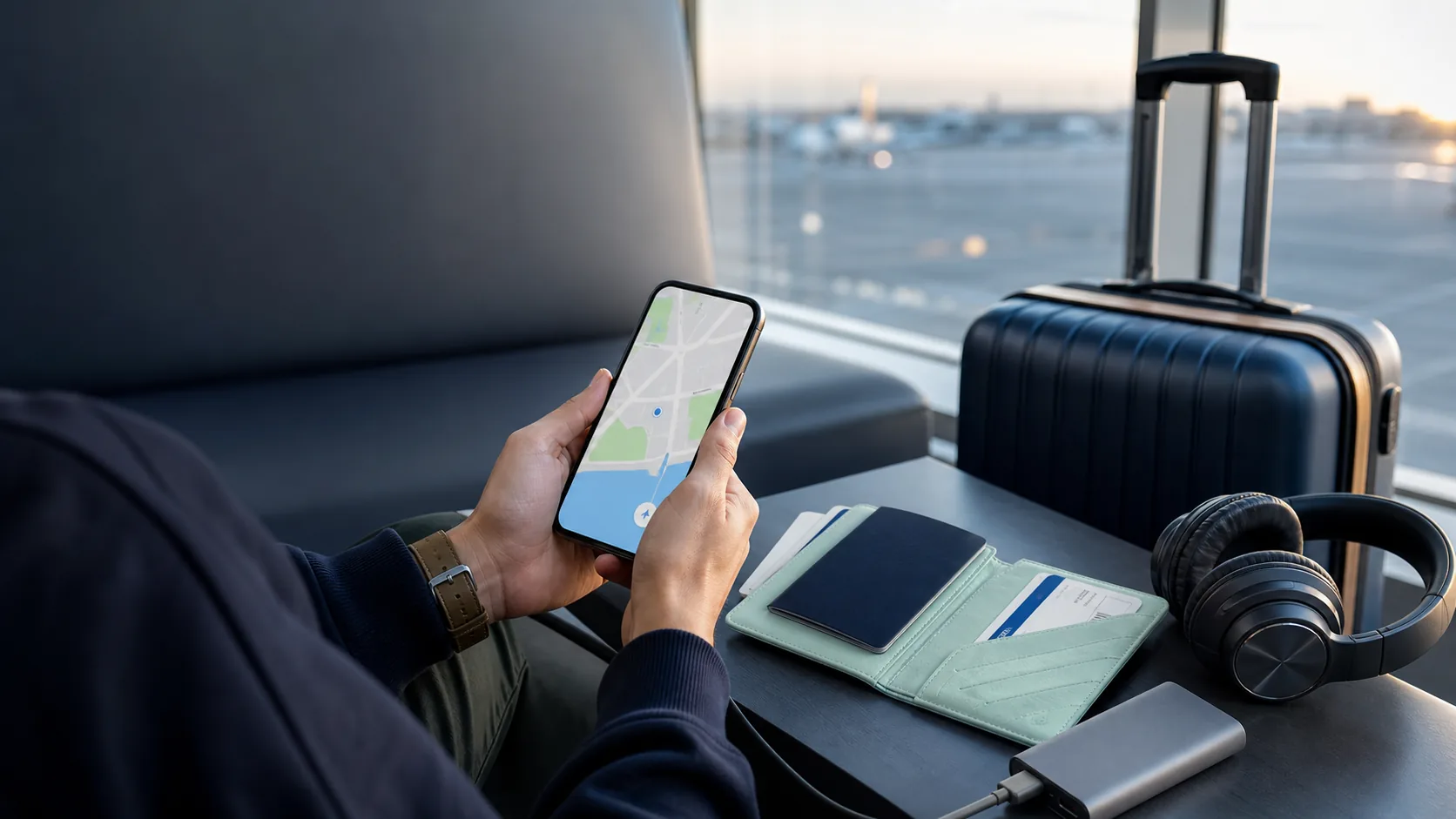




Avoid the travel costs that quietly add up: poor currency conversion choices, ATM charges, foreign card fees, roaming, baggage extras and booking add-ons.
Hidden travel fees are rarely one dramatic charge. They are the small decisions that happen when you are tired, in a queue or trying to pay quickly: accepting a poor currency conversion, taking several small ATM withdrawals, buying data at the last minute, or leaving baggage and booking extras unchecked. The fix is a short pre-trip check and a few deliberate choices while you travel.
Start with your bank’s card terms, not a generic claim that one card is always cheapest. Check foreign transaction fees, cash-withdrawal fees, daily limits and support contacts. Then decide how you will handle mobile data, cash and your first journey from arrival.
Avoid hidden fees by choosing local currency when you understand the conversion choice, taking fewer planned ATM withdrawals, checking card terms, and reviewing all travel add-ons before paying.
- Decline dynamic currency conversion when it adds a markup you do not want.
- Check the ATM screen for its own fee before confirming.
- Review baggage, seat, transfer and cancellation terms before checkout.
- Set up data before travel to avoid expensive home roaming.
- Carry a second payment method separately from your main card.
Travel smarter. Stay connected.
I consent to receive newsletters via email. Terms of Use and Privacy Policy.
The travel fee checklist to use before you pay
Understand dynamic currency conversion before tapping your card
Dynamic currency conversion (DCC) is the option to pay in your home currency rather than the local currency. It can show a familiar number immediately, but it may include an exchange-rate markup. Visa says merchants and ATMs should give you a choice to accept or decline conversion, and display the amounts, rate and any markup. If you do not want that offer, choose to pay in the local currency.
Local currency is not a magic rule for every cardholder: your own card may charge a foreign transaction fee, so check its terms. But it prevents the merchant or ATM’s separate conversion offer from being accepted by default. If a terminal selects a currency without a clear choice, ask the merchant to correct it before completing the payment.
Avoid ATM and card fees without carrying too much cash
An overseas cash withdrawal can involve more than one charge: the ATM operator may show a fee, and your own bank or card provider may charge an international withdrawal or foreign transaction fee. Do not accept a withdrawal blindly because the machine is convenient. Read the on-screen total, decline unwanted conversion, and use your card’s fee schedule to decide whether one larger withdrawal is more sensible than several small ones.
Do not optimise for fees so aggressively that you carry unsafe amounts of cash. Use a reputable bank ATM where possible, keep cards separate, and have a backup card or payment method. The Consumer Financial Protection Bureau notes that card terms can include ATM and foreign transaction fees, so the agreement for your exact product matters.
Catch booking, baggage and transport extras before checkout
The cheapest headline fare often excludes the things you actually need. At checkout, confirm cabin-bag and checked-bag limits, seat choice, airport transfers, payment fees, cancellation conditions and whether any insurance or membership was added. Compare the final price for the real trip, not just the first price displayed in search results.
Plan data before travel so roaming does not become the expensive default
Mobile data is another fee people accept under pressure. Check your home plan’s roaming allowance and overage rules, then compare it with a travel eSIM or local SIM where appropriate. Install an eSIM while you have dependable internet, keep your home data roaming disabled unless you chose that plan, and download maps and bookings before departure.
Use destination eSIM guides to choose the data amount you need before roaming becomes the default.
Explore eSIM guidesFrequently asked questions
Should I pay in local currency or my home currency abroad?
When a merchant or ATM offers dynamic currency conversion, choosing local currency usually avoids that separate conversion offer and its potential markup. Check your own card’s foreign transaction fee, because card terms still affect the final cost. The key is to make the choice yourself rather than accepting a default.
Why do ATM withdrawals abroad cost more than expected?
The ATM operator can charge its own fee and your bank or card provider may also charge for an international withdrawal or currency conversion. Read the ATM screen before confirming and check your card agreement before travel. One planned withdrawal can sometimes cost less than repeated small withdrawals, but do not carry more cash than is safe.
What are the most common hidden travel fees?
Common examples include currency conversion markups, ATM fees, foreign transaction fees, baggage and seat extras, booking add-ons, transfer costs, data roaming and poor-value exchange. They vary by traveller and destination, so use a checklist rather than assuming one option is always cheapest.
Can I avoid foreign transaction fees completely?
It depends on your bank product and the transaction. Some cards charge no foreign transaction fee while others charge a percentage. Read your cardholder agreement and remember that an ATM fee or merchant conversion offer may still apply separately.